The 2026 Summer International Exchange Program on Clinical Evidence-Based Practice and Interdisciplinary Studies in Rehabilitation Science, organized by the School of Rehabilitation Sciences, Southern Medical University (SMU), will take place in Guangzhou from July 20 to August 9. It is intended for senior undergraduate and graduate students majoring in Rehabilitation Physical Therapy, Rehabilitation Occupational Therapy, or related fields. Centered on clinical evidence-based practice and interdisciplinary studies, the curriculum features integrated traditional Chinese and Western medicine rehabilitation, brain-computer interfaces, rehabilitation robotics, and other emerging areas, with instruction delivered in English or bilingually. Utilizing SMU’s national-level experimental teaching platforms and clinical resources from affiliated hospitals, the program integrates theoretical learning with clinical practice, aiming to cultivate high-level rehabilitation professionals with a global perspective, innovative capacity, and humanistic care.
1. Introduction
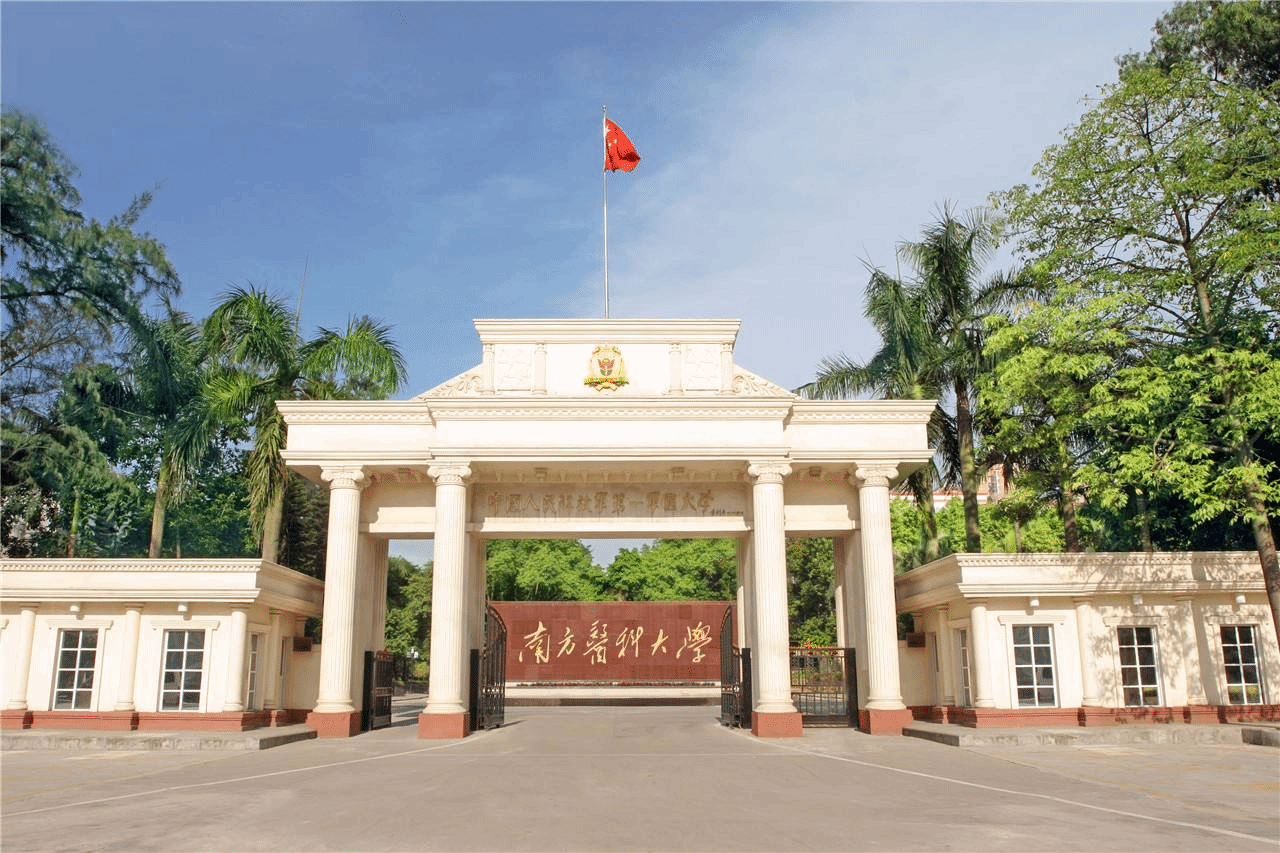
The School of Rehabilitation Sciences (RSS) is affiliated to Southern Medical University (SMU), which is formerly known as the First Chinese People's Liberation Army Military Medical University established in 1951 and became one of the first batch of key universities in 1978. In 2017, the School was jointly established by Southern Medical University and the Guangdong Provincial Federation of Disabled Persons, becoming the first government-university collaborative rehabilitation school in South China. Adhering to the university motto of "Learn Extensively, Practice Diligently, Uphold Virtue, Benefit the World," the School upholds the educational philosophy of "government-university collaboration, interdisciplinary integration, and international alignment" and is dedicated to cultivating high-level rehabilitation professionals with a solid professional foundation, outstanding clinical skills, innovative thinking, and a global perspective.
The School has developed a "Rehabilitation Medicine + Engineering + Humanities + X" interdisciplinary talent cultivation system, offering four undergraduate programs: Rehabilitation Therapy, Rehabilitation Physical Therapy, and Rehabilitation Occupational Therapy. Among these, Rehabilitation Therapy has been selected as one of the first batch of national first-class undergraduate program construction sites. Rehabilitation Physical Therapy and Rehabilitation Occupational Therapy have been rated A+ for four consecutive years in the "ShanghaiRanking's Best Chinese Universities Rankings," placing them among the top in the nation. The Occupational Therapy program holds international accreditation from the World Federation of Occupational Therapists (WFOT), enabling graduates to practice globally, signifying that the School's program development has reached international standards.
The School boasts a distinguished faculty, including nationally recognized teaching masters and provincial teaching teams. Among the full-time faculty, over 60% hold senior professional titles, and over 40% have overseas study backgrounds. The School has established deep collaborative relationships with government agencies and clinical institutions such as the Guangdong Provincial Federation of Disabled Persons, Nanfang Hospital, Zhujiang Hospital, and the Guangdong Provincial Work Injury Rehabilitation Center, forming a collaborative education mechanism characterized by "government leadership, university leadership, and industry participation."
Regarding teaching resources, the School houses one national-level science practice teaching base, one national key clinical specialty, and one China Disabled Persons' Federation Rehabilitation Talent Training Base (Guangdong Base). It has been awarded 8 national and provincial first-class courses and has led the editorial work for the "13th Five-Year Plan" textbooks and the curriculum ideological and political case database for People's Medical Publishing House. The School features modern teaching platforms such as an intelligent rehabilitation laboratory, a virtual simulation teaching center, and a digital rehabilitation teaching resource library, equipped with advanced facilities including virtual reality rehabilitation training systems, intelligent motion analysis systems, and digital simulation wards, providing students with a systematic and intelligent experimental learning environment.
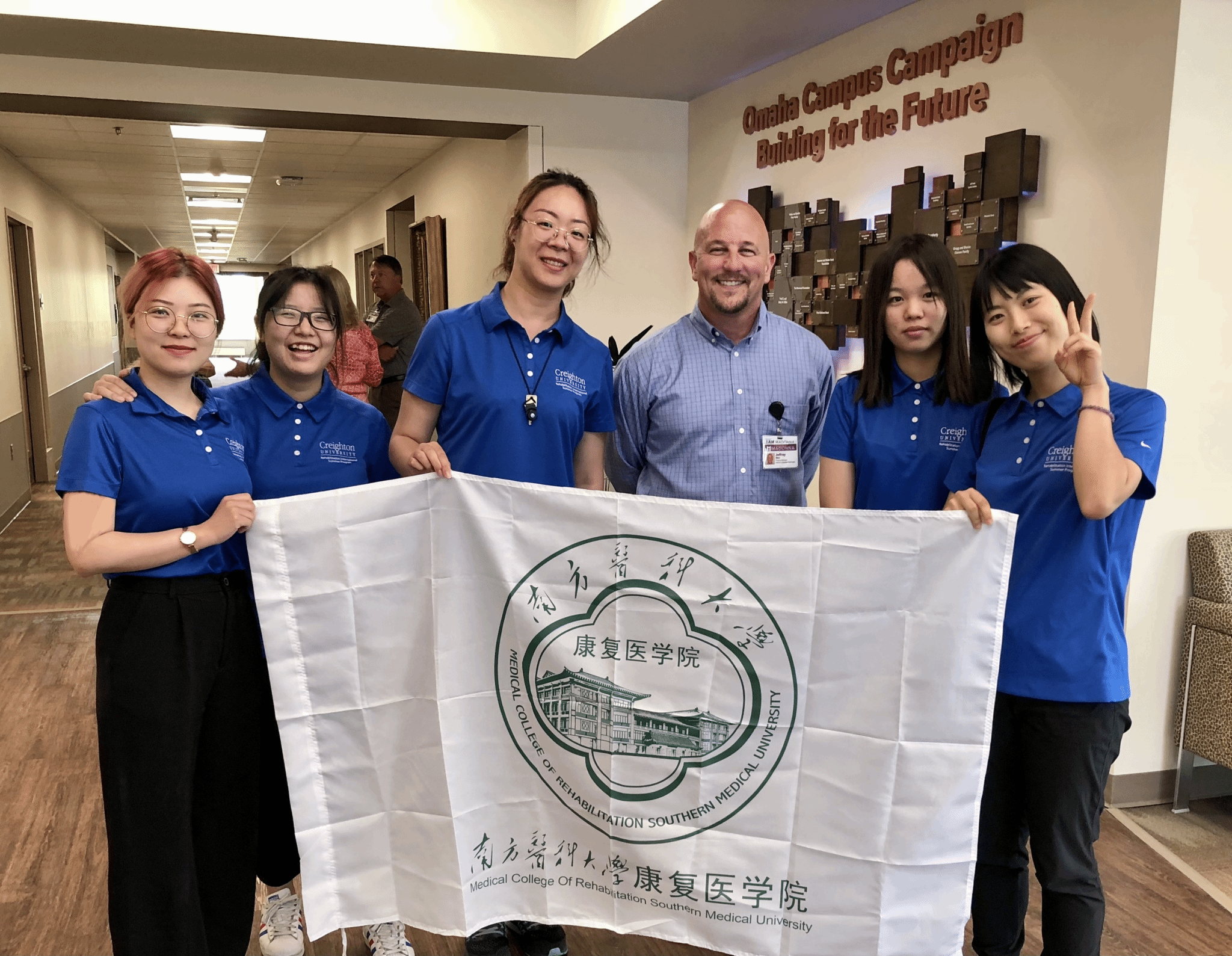
The School places a high priority on internationalization, maintaining stable collaborative networks with renowned international universities such as the University of Birmingham (UK), The Hong Kong Polytechnic University, the University of Sydney, and the University of Alberta (Canada). It offers a "2+1+1+1" international program and engages in multi-level international cooperation, including student exchanges, joint training, and faculty visits. The School regularly hosts international rehabilitation academic forums and invites leading international scholars for lectures, providing students with a high-level platform for international exchange.
In terms of educational outcomes, the School's graduate employment rate has consistently remained above 96% for several years, the further study rate is 18 percentage points higher than the national average, and the pass rate for junior professional title examinations is 99.2%. Students have published 83 SCI papers, been granted 31 patents, and won 38 national and provincial innovation and entrepreneurship awards. The School has taken the lead in establishing a national rehabilitation education industry-education integration community, influencing over 300 institutions nationwide and promoting the standardization and internationalization of rehabilitation education in China.
Adhering to the educational philosophy of "compassionate rehabilitation medicine," the School emphasizes medical humanities and professional ethics education, cultivating empathy and a sense of social responsibility in its students. Through its MAD Volunteer Service Team, the School organizes students to engage in rehabilitation volunteer services in communities and elderly care institutions, deepening their understanding and practice of the professional spirit of "respecting life, saving the injured, and helping the afflicted." Looking ahead, the School will continue to deepen government-university collaboration, interdisciplinary integration, and international cooperation, striving to become a leading domestic and internationally renowned hub for high-level rehabilitation medical education.
2. Program Requirements
Dates: July 20th to August 9th, 2026 (21 days in total)
Location: Southern Medical University, Guangzhou
Target Audience: Senior undergraduate and graduate students majoring in Rehabilitation Physical Therapy, Rehabilitation Occupational Therapy, or related fields, both domestic and international.
Enrollment Capacity: 30 participants
Language Requirement: Participants must possess good English communication skills. The program will be delivered in English or bilingually.
Completion Requirements: Participants must fully attend the courses and complete all assessment components to receive the Certificate of Completion issued by Southern Medical University.
Program Fee: This program charges no tuition fee. Participants are responsible for their own transportation and accommodation costs.
Application Deadline: April 30th, 2026
Application Link: https://f.wps.cn/g/vWWfRhhd/
Contact Email: smurs@smu.edu.cn
3. Program Overview
This program centers on "Clinical Evidence-Based Practice" and "Interdisciplinary Studies," systematically designed around three key areas:
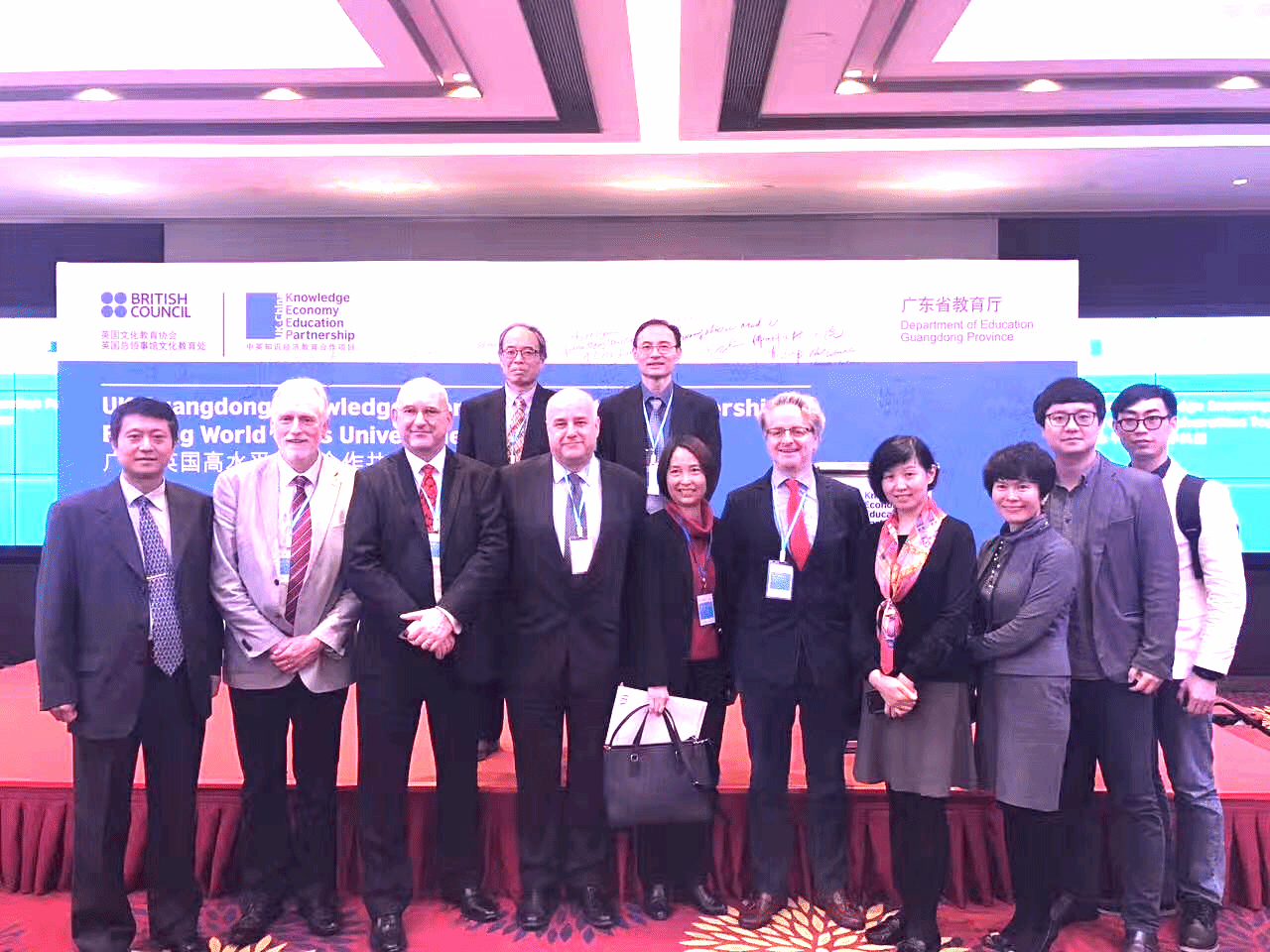
Serving the Construction of an International Strategic Cooperation System in Education: The program leverages stable collaborative networks with universities such as the University of Birmingham, The Hong Kong Polytechnic University, and the University of Sydney. Through co-developed summer courses, faculty lectures, joint workshops, and short-term student exchanges, it creates a platform for deep interaction between Chinese and international faculty and students, fostering sustainable mechanisms for international talent cultivation and research collaboration, laying the groundwork for future joint training and cooperative research for participants.
Strengthening the International Communication of Chinese-style Modernization: Centered on evidence-based rehabilitation and interdisciplinary studies, the program systematically presents clinical pathways for integrated traditional Chinese and Western medicine rehabilitation and typical community rehabilitation cases, forming bilingual course packages and teaching case libraries. Through the "Integrated Traditional Chinese and Western Medicine Clinical Treatment" module in theoretical courses and the application of clinical cases in practical courses, it comprehensively showcases the complete chain of "Chinese Rehabilitation Practice - Evidence - Translation into Application." This approach effectively communicates the story of Chinese rehabilitation to international participants, enhancing the international influence of the Chinese rehabilitation education model.
Empowering Digital Transformation and Innovation-Driven Development: The program introduces digital learning platforms and remote collaboration mechanisms, utilizing cutting-edge technical methods such as AI-assisted literature retrieval, training in systematic review and guideline interpretation, and data visualization tools. The curriculum includes specialized courses on integrating rehabilitation science with Brain-Computer Interfaces, information science, engineering robotics, and materials science. Practical components feature innovative content like medical engineering practice, and Brain-Computer Interface and robotics practice. Combined with virtual simulation teaching and digital training platforms, the program aims to build reusable online teaching resources and evaluation systems, promoting the digital transformation and innovation-driven development of rehabilitation education and research.
4. Curriculum Structure and Teaching Schedule
The program totals 136 credit hours, structured into four modules:
Orientation Phase (12 credit hours): Registration, opening ceremony, introduction to the university and program, and faculty-student interaction.
Professional Course Module (80 credit hours): Covers 14 theoretical courses and 6 practical courses. Content includes core topics such as clinical evidence-based practice in Rehabilitation Physical Therapy/Occupational Therapy, integrated traditional Chinese and Western medicine treatment, manual therapy, exercise therapy, pediatric rehabilitation, mental health occupational therapy, vocational rehabilitation, as well as cutting-edge interdisciplinary topics like Brain-Computer Interfaces, information science, engineering robotics, and materials science.
Cultural Exchange Module (24 credit hours): Includes visits related to medical culture, urban cultural experiences, and on-campus and off-campus exchange activities. Participants will visit affiliated hospital rehabilitation centers, traditional Chinese medicine cultural venues, and landmarks in the Guangdong-Hong Kong-Macao Greater Bay Area cities.
Closing Ceremony (8 credit hours): Features learning achievement presentations, a summary exchange session, and certificate awarding.
5. Teaching Resources and Training Objectives
The program utilizes the national-level experimental teaching platform, intelligent rehabilitation laboratory, virtual simulation teaching center, and affiliated hospital clinical resources of the School of Rehabilitation Sciences, Southern Medical University. It adopts internationally recognized teaching methods such as Problem-Based Learning (PBL) and Standardized Patient/Objective Structured Clinical Examination (SP/OSCE), and employs a "dual-mentor system" for comprehensive guidance. By combining theoretical learning with clinical practice and integrating research training with cultural experiences, the program aims to cultivate high-level rehabilitation science professionals with a global perspective, innovative ability, and humanistic care, contributing Chinese wisdom and solutions to the advancement of global rehabilitation.
School of Rehabilitation Sciences
Southern Medical University
March 23, 2026